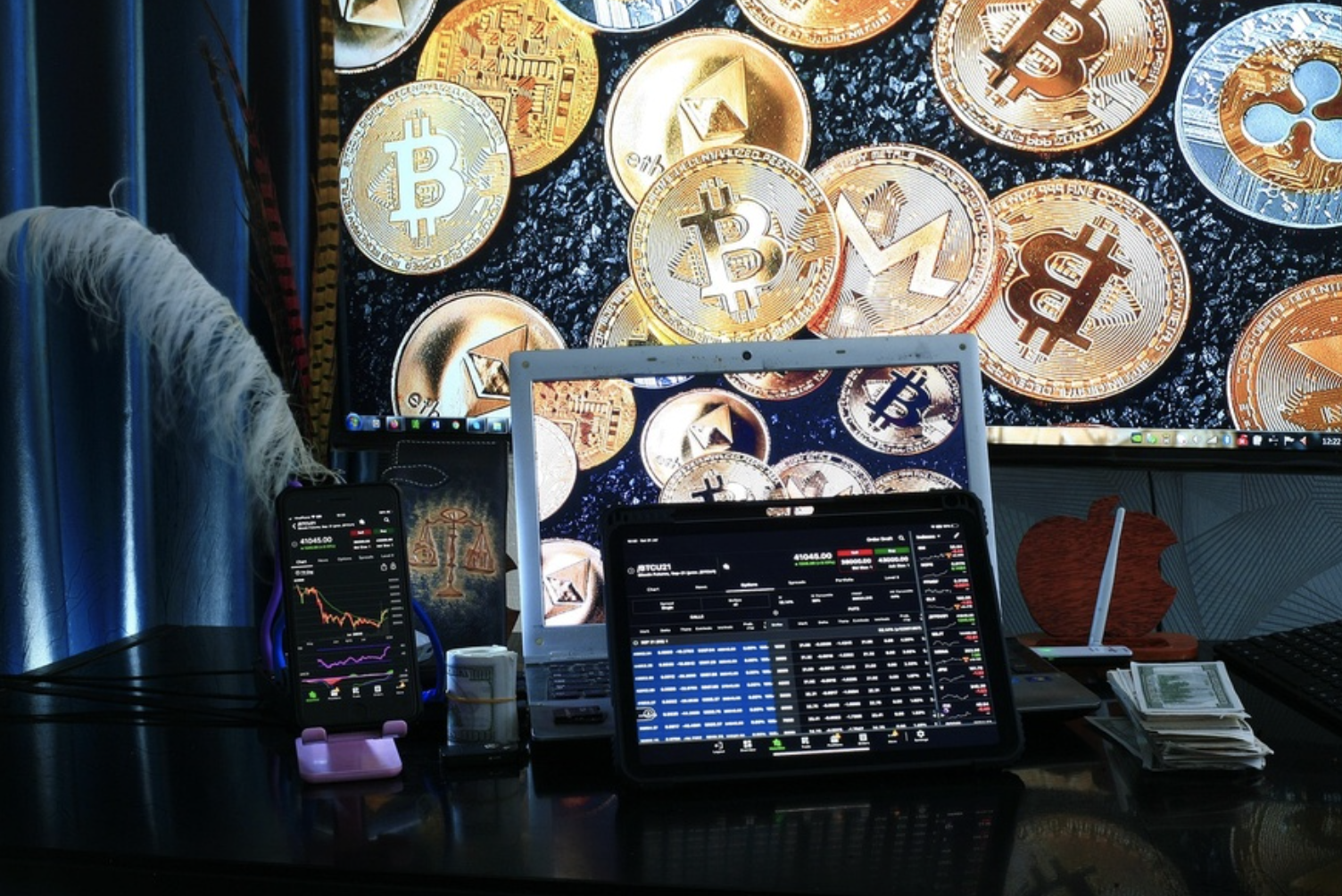
When a husband and wife join hands at the altar, saying “I do,” the last thing on their minds is the blockchain ledger. But these days, you need to be careful. When two people get divorced, one might keep the cryptocurrency, and the other might receive the equivalent value in cash. On paper, both sides are receiving assets of equal value, which appears to be fine. But from a tax perspective, things couldn’t be more different. Dividing cryptocurrency and digital assets in a divorce can be much more complicated than most people think, and these days, it’s an important concept to grasp.
Are cryptocurrency assets subject to division in divorce?
Yes. In the State of New Jersey, cryptocurrency acquired during the marriage with marital funds is almost always subject to division.
New Jersey is an equitable distribution state, meaning property should be divided fairly under the circumstances. This doesn’t mean there should be a 50/50 split for every account, it just means things should be deemed “equitable”. Different variables, such as the length of the marriage, each spouse’s financial contribution to the marriage, the number of children, and so on, will determine how assets are divided. Even when assets are held in only one spouse’s name, they do not automatically qualify as separate property.
If the cryptocurrency was owned prior to the marriage or inherited, it might qualify for exceptions that allow it to be treated as separate property. But mixing those crypto funds or adding additional cryptocurrencies to the account can create questions regarding traceability. For example, say you bought bitcoin before getting married, then used income earned during the marriage to buy more in the same wallet. The total balance does not indicate which portion may be subject to division; thus, you need transaction history to get the full picture.
Common types of digital assets in divorce cases
The Internal Revenue Service identifies cryptocurrencies, stablecoins, and non-fungible tokens as examples of digital assets. Below are some common types of digital assets and the variables/metrics that are important in relation to divorce cases.
| Asset | What deserves attention |
|---|---|
| BTC, Ether, other crypto | Purchase history, quantity, account location, and current value |
| Stablecoins | Redemption terms and whether the stated value is recoverable |
| Non-fungible tokens | Actual buyer demand and recent comparable sales |
| Staked tokens and rewards | Withdrawal restrictions, accrued rewards, and tax records |
Tax implications of dividing digital assets
When a couple transfers cryptocurrency as part of an approved divorce settlement, there is generally no immediate federal gain or loss for either party. The receiving spouse will take the transferring spouse’s current adjusted tax basis. This is the same amount that the future taxable gain or loss would be calculated from.
Thus, the potential tax liability could follow the asset. Below is an example of how this might work.
| Settlement asset | Cash | Cryptocurrency |
|---|---|---|
| Current value | $100,000 | $100,000 |
| Adjusted tax basis | Not applicable | $20,000 |
| Gain on immediate sale | None | $80,000 |
| Illustrative tax on gain | $0 | $16,000 |
| Amount remaining | $100,000 | $84,000 |
* Tax rates are for illustrative purposes only and depend on other variables such as holding periods, income, applicable taxes, and fees.
In this example, both spouses receive $100,000 in assets, but selling the cryptocurrency would produce an $80,000 gain because its tax basis is only $20,000. At the model’s hypothetical 20% tax rate, the spouse receiving crypto would keep $84,000 before fees, while the spouse receiving cash would still have $100,000.
It’s important to note that selling the cryptocurrency first and then dividing the proceeds is fundamentally different from transferring the cryptocurrency itself, as a sale can realize a taxable gain or loss. Have a tax professional compare both approaches before you decide on anything.
Negotiating cryptocurrency settlements
A number of options are available for dividing bitcoins as part of a divorce settlement. One option is to simply split the coins. Another is to sell both parties’ shares of the coins and then split the proceeds. You could also allow one spouse to keep the coins and give the other spouse compensation in the form of another asset. Your specific situation will determine which approach fits best.
For example, if you are looking at buying a new home, then you might want to consider getting out of crypto for the time being to hedge against volatility. Likewise, if you are a long-term “hodler”, then you might consider taking more digital assets in a settlement.
| Settlement approach | Main consideration |
|---|---|
| Divide the cryptocurrency | Both spouses retain market exposure and responsibility for their holdings |
| Sell and divide proceeds | Establish who handles the sale, taxes, and fees |
| Exchange crypto for other property | Compare liquidity, embedded gains, and any associated debt |
Document the transfer mechanics. What asset, how many, how to value it, when will it be valued, which accounts are going to receive it, and whose account will cover the fees? The transfer process may occur while a reward is available on the cryptocurrency or while the price is increasing or decreasing, and these factors should also be documented.
Access matters too. Cryptocurrency custody determines who can authorize transactions, so the receiving spouse needs effective control of the awarded holdings.
Why you need a divorce attorney familiar with digital assets
Whether you managed the investments or your spouse handled everything, you need to know what your share is actually worth and how to manage it properly. An attorney can assist you in determining which assets will be transferred from the marital estate to you, at what time you may be able to take possession of those assets, and what potential tax liabilities or other debt obligations might impact the total amount of money that remains.
Laws and regulations regarding cryptocurrency are in a permanent state of flux, and having a lawyer who is familiar with the dynamic nature of digital assets is a huge plus. When it comes to settlements, the details matter. Clear terms about valuation, transfer deadlines, and responsibility for taxes can help prevent an agreement that looks fair on paper from leaving you with less than you expected.
Discuss your financial interests with a New Jersey divorce attorney
If crypto is part of your world, then it’s probably part of your divorce as well. We handle cases like this every day, and cryptocurrency is becoming increasingly prevalent. If you live in New Jersey, contact Dughi, Hewit & Domalewski today.
You live in 2026, make sure your attorney does too.
Leave a Reply